Figurenotes rhythm is clear and intuitive

The note is as long as it looks

This literal interpretation of rhythm needs little explanation, making teaching a breeze.

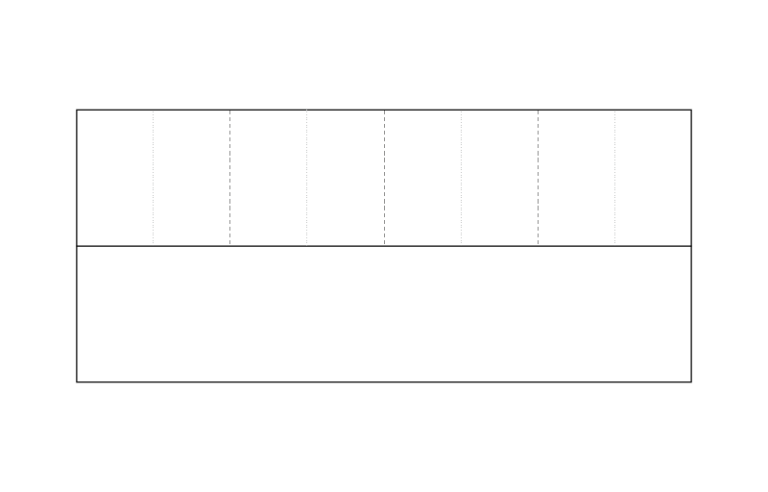
Bars

Each bar in a piece is the same size.

Each beat is shown by a dotted line.

We can see how many beats each note takes up.

Single Figurenotes bar. A rectangle divided into 4 with dashed lines, subdivided with dotted lines.

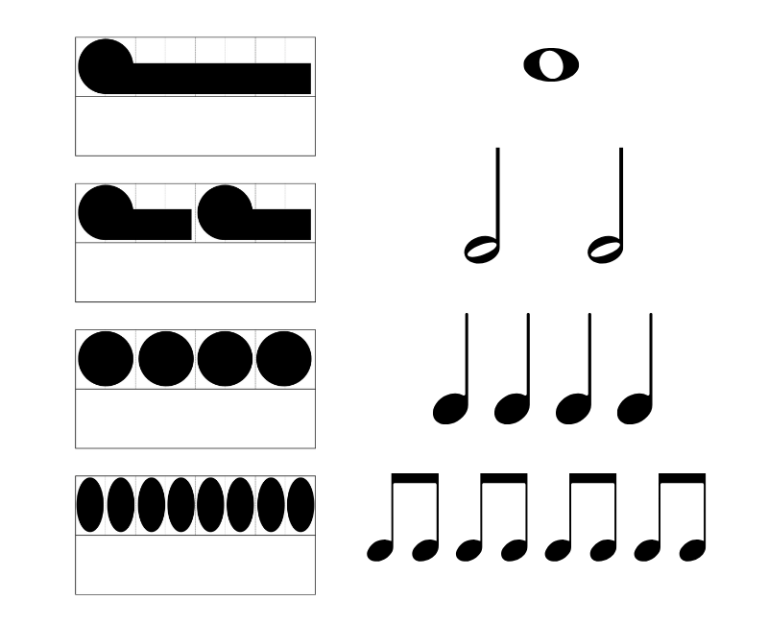
Note Duration

Each Figurenotes shape is one crotchet beat (quarter note)

A tail is added to show longer notes.

Shapes are squashed to show shorter notes.

Comparison of Figurenotes rhythm and standard rhythm notation.

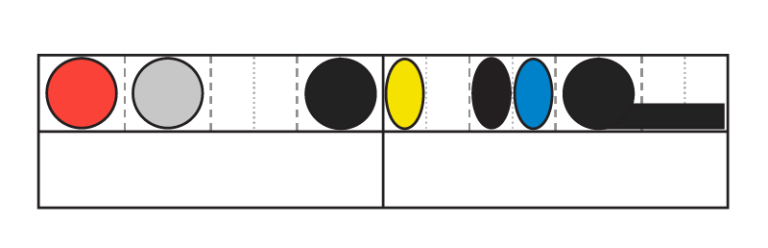
Rests

If there is a note, there is no sound. 

A Figurenotes phrase with gaps to show rests.

Figurenotes rhythm is clear and intuitive

Each beat takes up the same amount of space on the page. Bars show each beat, making it easy to see how long the notes are. The dots and squiggles come later, once a sense of pulse and rhythm has been established.  See ‘Progression’ for more details.

This literal interpretation of rhythm needs little explanation, making teaching a breeze.

Studies show that pupils learning with Figurenotes progress faster in rhythmic skills and sense of pulse. [LINK TO GREENMILL]


#lmsmart_search_693b0f2f80a77:hover { color: rgba(30,40,69,1) !important; }#lmsmart_button_693b0f2f874dd { color: rgba(7,47,96,1); }#lmsmart_button_693b0f2f874dd:hover { color: rgba(30,40,69,1); }#lmsmart_button_693b0f2f874dd { border-color: rgba(30,40,69,1); background-color: rgba(249,232,20,1); }#lmsmart_button_693b0f2f874dd:hover { border-color: rgba(30,40,69,1); background-color: rgba(0,166,214,1); }#lmsmart_button_693b0f2f88fbd { color: rgba(7,47,96,1); }#lmsmart_button_693b0f2f88fbd:hover { color: rgba(30,40,69,1); }#lmsmart_button_693b0f2f88fbd { border-color: rgba(30,40,69,1); background-color: rgba(249,232,20,1); }#lmsmart_button_693b0f2f88fbd:hover { border-color: rgba(30,40,69,1); background-color: rgba(0,166,214,1); }